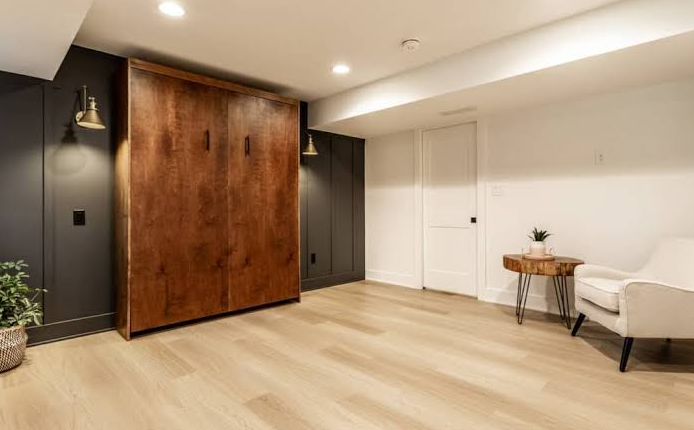
In the Home Improvement Center, space optimization begins with a measured view of each room as a canvas for flow, light, and alcoves. Clutter risks are weighed, and zones are clearly labeled, guiding the eye to adjustable shelves, vertical storage, and wall-mounted units. Modular furniture earns its keep by combining seating, storage, and work surfaces, while smart controls and energy-efficient upgrades reclaim real estate within walls. The result is calm efficiency that invites a closer look at the next practical step.
How to Spot Space-Saving Opportunities in Every Room
A keen eye for space reveals opportunities hidden in plain sight: every room offers potential pathways to efficiency through layout, storage, and verticality.
The approach treats proportional space as a canvas, noting traffic flow, alcoves, and light.
Observers assess clutter likelihood, scale, and multipurpose zones, guiding space saving choices and room optimization without hindering freedom or daylight.
See also: How Businesses Secure Mobile Devices
Smart Storage Solutions From the Home Improvement Center
Smart storage solutions from the Home Improvement Center translate architectural discipline into everyday practicality, pairing modular systems with precise spatial reasoning. They emphasize clutter reduction through deliberate placement, smart compartments, and vertical utilization. Shelving organization becomes a philosophy: adjustable rails, labeled zones, and accessible depths that respect flow. The approach honors freedom, enabling serene environments where function and beauty coexist without excess.
Modular, Wall-Mounted, and Multi-Use Furniture Ideas
Modular, wall-mounted, and multi-use furniture techniques transform tight rooms into adaptable habitats, where form follows function without compromising air and light.
The design emphasizes modular furniture pieces that combine seating, storage, and work surfaces, freeing floor area.
Wall mounted storage integrates seamlessly, reducing clutter.
Multi use furniture enhances flexibility, supporting evolving needs without sacrificing aesthetic clarity or spatial cadence.
Energy-Efficient Upgrades That Free Up Real Estate and Cash
Energy-efficient upgrades can simultaneously reclaim square footage and lower long-term costs by reducing energy waste and enabling tighter, better-organized spaces.
Thoughtful insulation, high-efficiency appliances, and smart controls trim utility bills while freeing hidden real estate within walls and closets.
Such energy upgrades enhance real estate value, supporting a liberated lifestyle where form meets function, beauty, and sustainable, affordable living.
Frequently Asked Questions
How Do I Measure for Custom Space-Saving Installations Accurately?
To measure for custom space-saving installations accurately, one should calibrate tools, double-check dimensions, and permit tolerance margins. Emphasizing measuring accuracy, the approach supports space saving installations with aesthetic balance, precise layouts, and freedom through deliberate, meticulous planning.
Which Budget-Friendly Items Yield the Best ROI for Small Rooms?
The room breathes with possibilities: smart storage, wall rails, foldaway desks, under bed bins offer the best ROI for small spaces. Aesthetic, space-aware design whispers freedom, detailing efficient organization and unobtrusive functionality for budget-conscious occupants.
Can I Install Most Solutions Without Professional Help?
Installing most solutions can be done by non-professionals, though certain tasks require caution. The piece remains aesthetic, space-aware, and detail-oriented, with DIY warnings noted; installing basics should proceed carefully, respecting safety, measurements, and personal freedom in layout choices.
What Maintenance Is Required for Modular Furniture in Tight Spaces?
Maintenance tips for modular furniture in tight spaces emphasize routine checks, gentle cleaning, and verified weight limits. Space saving furniture care includes sliding joints lubrication, panel alignment, and protective pads, ensuring aesthetic integrity and freedom of movement in compact environments.
Are There Safety Concerns With Wall-Mounted Storage Projects?
Safety hazards exist with wall-mounted storage; attention to Load limits, correct fasteners, and proper Electrical clearances is essential. Off limit areas must be respected, ensuring weight distribution aligns with studs and surfaces, preserving freedom while preserving structural integrity and aesthetics.
Conclusion
In the quiet sinew between walls, space becomes a careful invitation rather than a stubborn constraint. Like a well-placed hinge, every choice—shelving, wall mount, modular unit—whispers of restraint practicing abundance. One notices that light, flow, and labeled zones choreograph a room’s memory, not its clutter. The home-renovation instinct thus echoes an ancient echo: less mass, more meaning. When energy savings align with smart design, real estate and time itself unfold, subtly promising a calmer, clearer horizon.